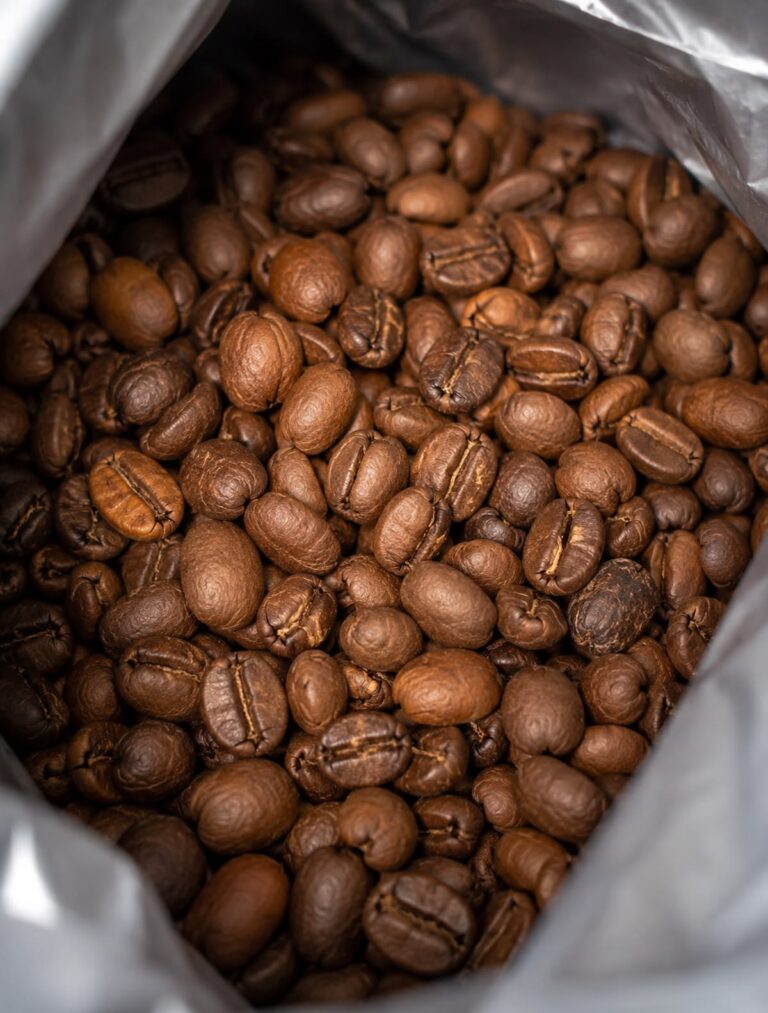
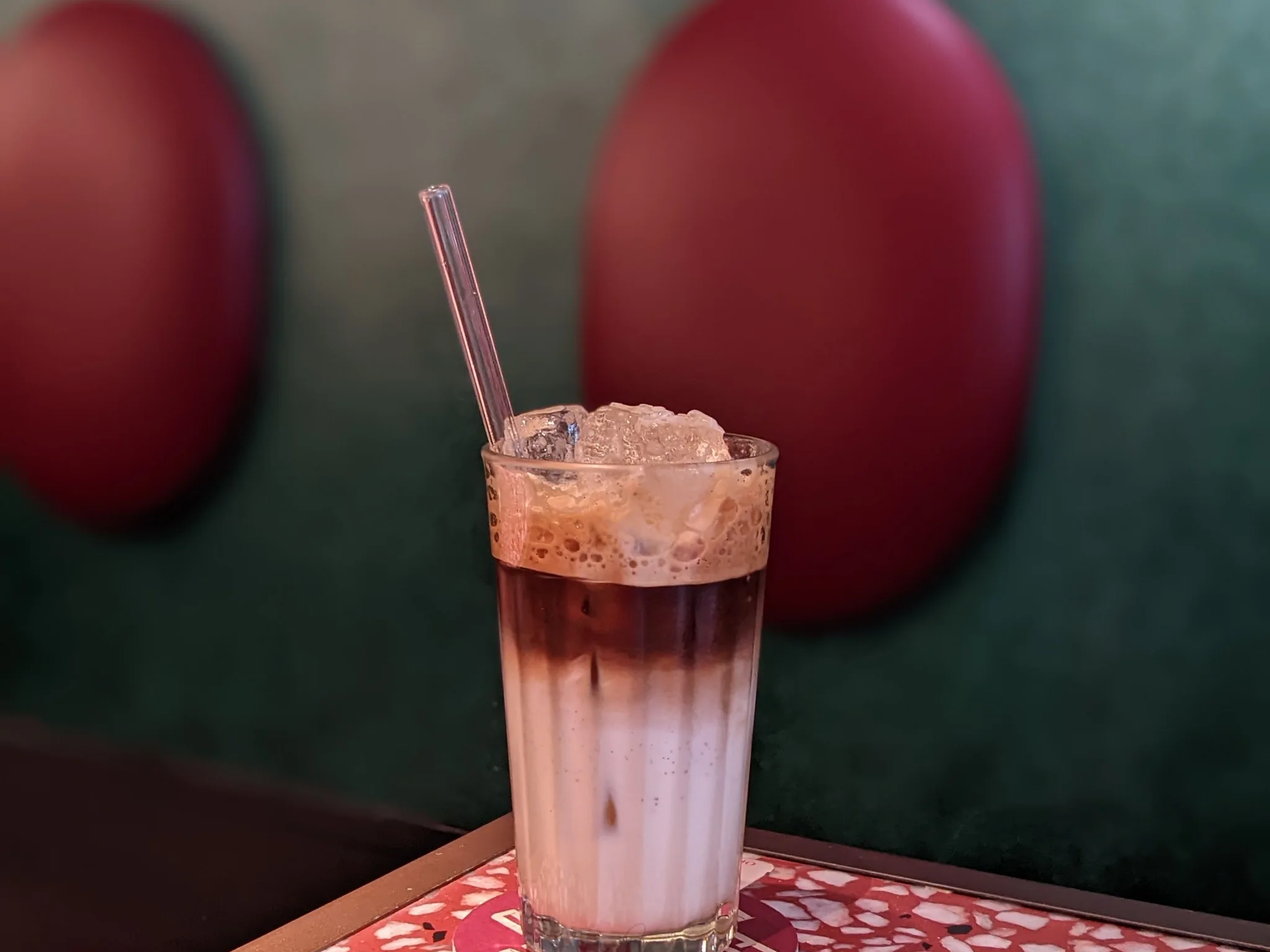
An iced latte is a useful place to test a coffee’s character. Milk, ice and the way a drink is prepared all belong in the buying decision. A sample tasted only in hot water leaves too much of that decision unfinished.
When choosing instant coffee for iced lattes, start with the drink your customers will actually serve. For a café, hotel or distributor, a good tasting should tell you how the coffee performs in that recipe, how easily another person can reproduce it, and whether the finished pack makes sense for the channel.
The short answer: compare similar product types, follow each pack’s preparation instructions, keep the milk and ice consistent, and taste again after a fixed interval. Record the dose that works. Then compare the cost of that serving and the usability of the branded pack.
Why this matters for buyers
In its 20 October update, SIAL Innovation 2026 highlighted sensory experience and convenience among the directions shaping food innovation. For a coffee buyer, that makes a practical question worth asking: does the convenience still deliver a drink people enjoy?
The National Coffee Association’s Fall 2026 findings also show cold coffee as an established part of US consumption, with a seasonal summer increase. That is useful context for testing iced drinks; it is not evidence that any particular instant-coffee format will sell.
The tasting below is a suggested internal comparison for buying teams. It is not a laboratory method or a prediction of consumer preference.
Compare like with like
Read the ingredient list before setting up the cups. Pure soluble coffee and a mix containing sugar and milk ingredients answer different menu needs. Equal spoonfuls of each do not represent equal amounts of coffee.
| Product type | How to compare it fairly |
|---|---|
| Pure soluble coffee | Start with the recommended coffee dose. Keep the milk, added water and ice consistent across the samples. |
| A coffee mix with sugar and milk ingredients | Follow the finished-drink instructions. Record what is already in the mix before adding more milk or sweetness. |
| Products with different preparation methods | Test each as directed first. Record any warm-water step and include that water in the total recipe. |
For freeze-dried coffee, granule appearance should not replace a dissolution test. Research at Hamburg University of Technology examines how pore structure affects reconstitution. Check the actual sample under the conditions you intend to use; a “freeze-dried” description alone does not specify its cold-water performance.
A five-step tasting protocol
1. Write one serving brief
Choose one use case: a hotel breakfast drink, a café iced latte or a distributor’s demonstration recipe. Specify the serving size, milk, ice, sweetness and preparation equipment. If the customer normally adds syrup, first taste without it, then confirm the complete recipe.
2. Weigh and record the preparation
Use a scale for the coffee and a consistent measure for the liquids. Follow the manufacturer’s directions for water temperature and mixing. If warm water is required, measure it as part of the recipe rather than adding an unrecorded splash. Note the time and effort needed to dissolve the coffee, and check for visible particles.
3. Taste with the milk you plan to serve
Keep the milk brand, type and quantity the same within a comparison. Test dairy and plant-based versions separately if both matter to the menu. Look for a clear coffee presence, a pleasant finish and a balance your customer will want to drink again. Record specific observations: “roast aroma is clear” is more useful than “premium”.

4. Check the drink as it is consumed
Taste immediately, then at the same preselected interval for every sample—for example, five minutes. Use the same ice mass and similar ice size. Note whether the drink still feels balanced as the ice melts. This is a practical service check, not a shelf-life or food-safety test.
5. Repeat with another preparer
Ask a second colleague to make the drink from the written instructions. Code the cups for the tasting and keep the preparation notes separate. If a sample needs extra coaching or an adjustment, record it. Repeatability is part of its suitability for your operation.
How to judge Vietnamese Robusta in milk
Give a Vietnamese Robusta sample a clear brief: what character should it bring to this drink? If you want cocoa-like, nutty or pronounced roasted notes, look for them in the actual cup and write down what you find. These are tasting goals, not promises attached to a species name or country of origin.
A 2026 café study of iced coffee found different sensory patterns across black, milk-based and flavoured recipes. Because the recipes and coffee types differed, it does not prove that Robusta is universally better in milk. It reinforces the value of judging the finished drink.
Ask the brand for the origin information behind the sample and tasting notes that match the finished product. The useful story is specific enough for a distributor to explain and honest enough for the cup to support.
From a good cup to a workable listing
Once you have a recipe you would serve, calculate its cost. For pure soluble coffee, a simple starting point is:
Coffee cost per serving = delivered pack price ÷ usable coffee weight in the pack × coffee dose per serving.
Use the same weight unit throughout. Add milk, sweetener, ice, packaging and relevant preparation costs to compare the complete drink. For a premix, use the actual quantity of mix required for one serving. A low pack price means little until the working dose is known.
Then evaluate the branded pack as the customer will use it. Are the instructions easy to follow? Is the portion format appropriate? Can staff store the opened pack as directed? For a distribution listing, also ask about case quantities, supplied label languages, storage conditions, remaining shelf life at delivery and the process for reporting a damaged or inconsistent batch. Confirm any destination-market requirements separately.
Keep the tasting notes and the commercial questions together. They should lead to one decision: which finished product fits this customer, this channel and this way of serving coffee?
A compact buyer scorecard
Use the same form for every sample. Agree your pass criteria before tasting; the prompts below are a starting point, not an industry grading scale.
| Check | What to record |
|---|---|
| In-cup character | Aroma, coffee presence in milk, sweetness balance and finish. |
| Preparation | Dose, liquid temperature, mixing method, time and any visible residue. |
| During service | Taste immediately and at the agreed follow-up time. |
| Repeatability | Differences between two preparers using the same written recipe. |
| Commercial fit | Cost per prepared serving, portion format, label clarity and delivery conditions. |
Close the session with a specific next step: shortlist, repeat with one adjustment, or decline for this use case. “Good coffee” becomes more useful when the team can explain what it is good for.
Common questions
Can instant coffee be used for an iced latte?
It can be used to prepare a cold coffee-and-milk drink. Start with a soluble product suited to the recipe and follow its preparation instructions. If it is offered on a menu, describe the preparation accurately; a soluble-coffee drink is not an espresso extraction.
Does freeze-dried coffee always dissolve directly in cold milk?
Do not assume it does. Check the directions and test the product in the intended liquid. If a warm-water step is specified, include that water in the recipe and record the preparation time.
Should a buyer choose the strongest-tasting sample?
Choose the sample that meets the agreed serving brief. A more intense sample may need a different dose; compare again at a recipe the customer would actually serve, then calculate the cost of that serving.
For the fundamentals, read how instant coffee is made and why it dissolves. For preparation details, see seven practical ways to improve an instant-coffee drink.
Sources and further reading
- SIAL Innovation 2026 — updated 20 October 2026; industry context.
- NCA Fall 2026 coffee-consumption findings — 15 September 2026; US survey conducted 8–24 June.
- Hamburg University of Technology: Structuring of Instant Coffee Powder — technical research project.
- Temporal Dominance of Sensations (TDS) of Modern Iced Coffee in a Café Setting — published 15 July 2026; DOI: 10.6066/jtip.2026.37.2.132.
Sources checked on 26 October 2026. The sampling procedure and scorecard are editorial recommendations. Photographs illustrate serving situations and do not identify a particular coffee formulation.